
Sodium Chlorite 31% Supplier South Africa
The precursor for chlorine dioxide (ClO₂) generation — sodium chlorite at 31% active is combined with an acid activator to produce chlorine dioxide, a highly effective biocide and bleach for water disinfection, food processing, and pulp bleaching.
 Request a Quote
Quick Specs
| Chemical Name | Sodium Chlorite |
| CAS No. | 7758-19-2 |
| Formula | NaClO₂ |
| Appearance | Clear to slightly yellow aqueous solution |
| Active Content | 31% NaClO₂ (≈28–29% available ClO₂ potential) |
| pH (neat) | ~12–13 |
| Density | ~1.28–1.30 g/mL |
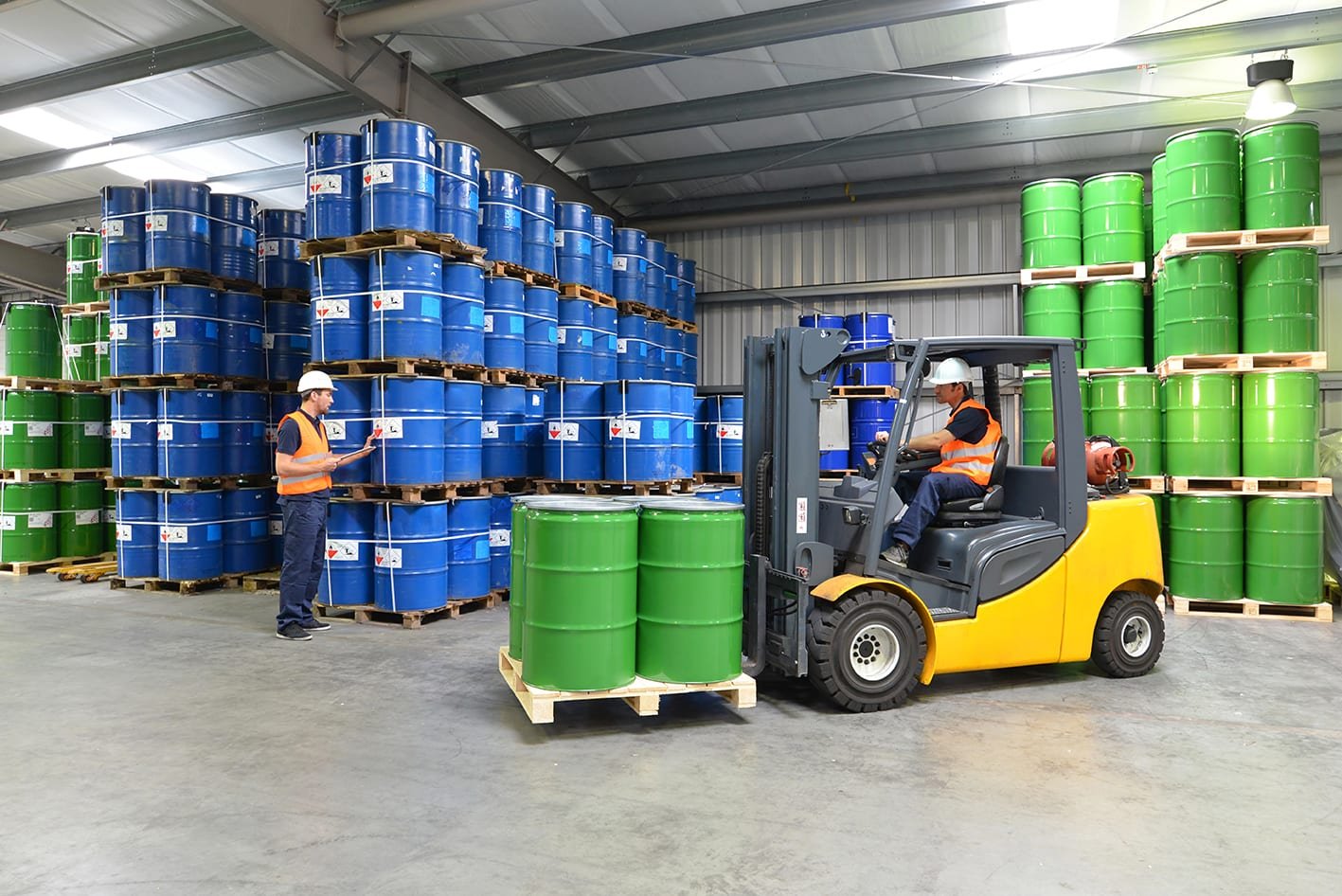
| Packaging | 25 kg, 200 kg drums (regulated product) |
What Is Sodium Chlorite?
Sodium chlorite (NaClO₂) is an inorganic chlorine compound that is the principal precursor for the generation of chlorine dioxide (ClO₂) — a powerful oxidising biocide and bleaching agent. Chlorine dioxide is generated in situ from sodium chlorite by reaction with an acid activator (typically hydrochloric acid or chlorine) in a two-part generator system. ClO₂ is a highly effective disinfectant that kills bacteria (including spore-formers), biofilm, Giardia, Cryptosporidium, and viruses at lower concentrations and with less disinfection by-product formation than chlorine, making it the preferred disinfectant for municipal water treatment, food processing, and high-purity water applications.
Chlorine Dioxide Generation and Water Disinfection
The two-part reaction used to generate ClO₂ from sodium chlorite is: 5NaClO₂ + 4HCl → 4ClO₂ + 5NaCl + 2H₂O (acid activation). The generated ClO₂ is dissolved in water and applied to the water to be treated. ClO₂ is effective across a wide pH range (4–10), unlike chlorine which loses efficacy above pH 7.5. It does not produce chlorinated trihalomethanes (THMs) or haloacetic acids (HAAs) at the levels associated with chlorine, making it the preferred alternative to chlorine in water systems where DBP control is required. ClO₂ is regulated for potable water disinfection use by drinking water standards globally.
Food Processing and Industrial Applications
In food processing, chlorine dioxide generated from sodium chlorite is used for fresh produce washing (fruit, vegetable, salad), poultry and meat equipment disinfection, and food contact surface sanitisation. In pulp and paper manufacturing, ClO₂ is a key bleaching agent in ECF (elemental chlorine-free) bleach sequences, providing brightness without dioxin formation. In oilfield water treatment, it is used to control SRB and biofilm. Terracore Chemicals supplies sodium chlorite at 31% active content in 25 kg and 200 kg drums with regulatory compliance documentation.
Applications
- Chlorine dioxide (ClO₂) generation for water disinfection
- Municipal potable water disinfection (alternative to chlorine)
- Biofilm and Legionella control in hot and cold water systems
- Fresh produce and food contact surface disinfection
- Pulp bleaching (ECF bleach sequences)
- Oilfield water SRB and biofilm control
- High-purity process water disinfection
Need a Quote for Sodium Chlorite 31%?
Tell us your required grade and quantity — we’ll respond with pricing, specifications, and lead times.
Request a Quote