
Ferric Chloride Supplier South Africa
The fastest-acting inorganic coagulant for water and wastewater treatment — ferric chloride rapidly destabilises suspended solids, colour, phosphate, and sulphide in municipal and industrial treatment at a wide pH range.
 Request a Quote
Quick Specs
| Chemical Name | Iron(III) Chloride / Ferric Chloride |
| CAS No. | 7705-08-0 (anhydrous); 10025-77-1 (hexahydrate) |
| Formula | FeCl₃ (anhydrous); FeCl₃·6H₂O (hexahydrate) |
| Appearance | Dark red-brown crystalline solid or 40% solution |
| Active Fe content | ~34% Fe (anhydrous); ~20% Fe (solution 40%) |
| Effective pH Range | 5–11 (superior to alum) |
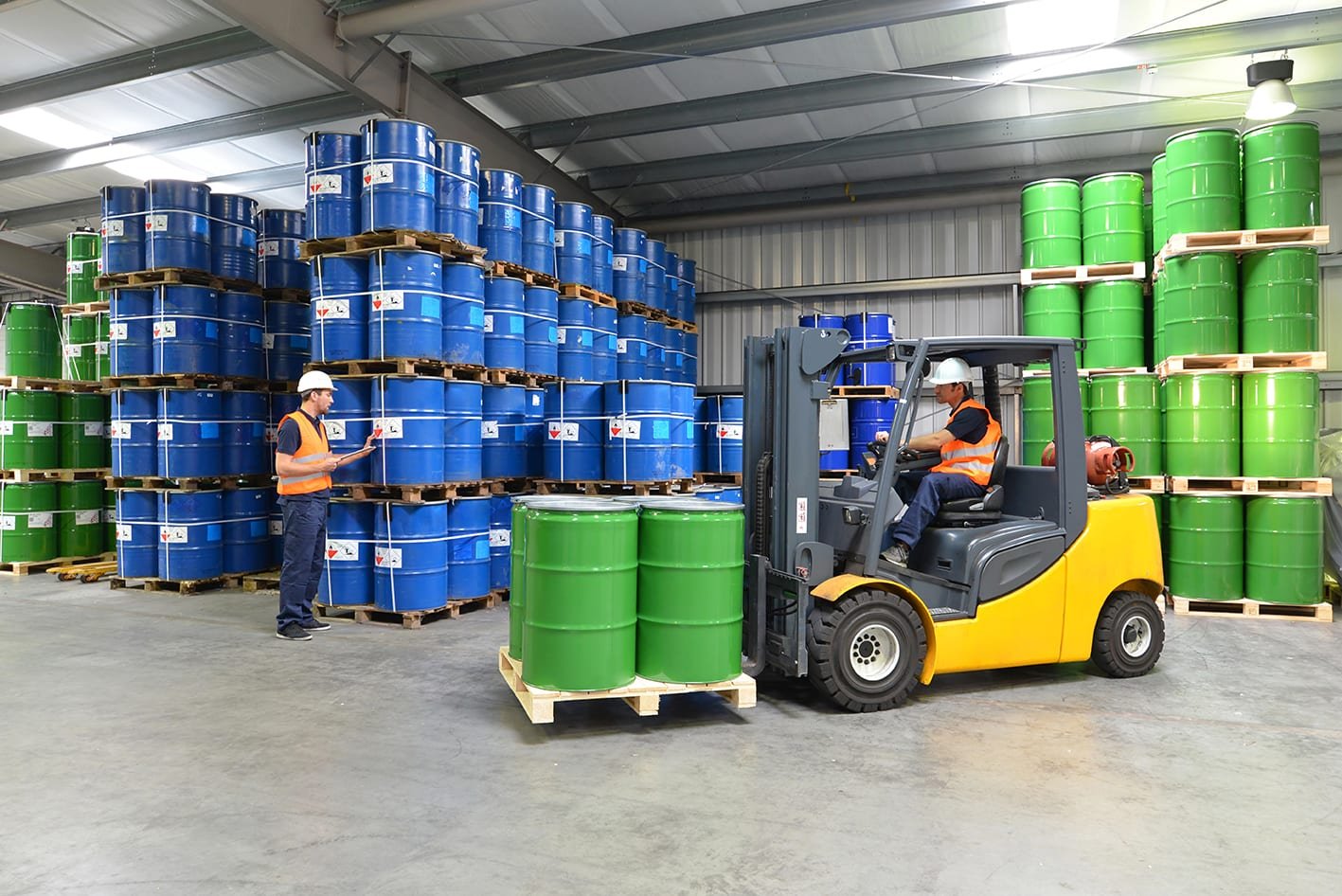
| Packaging | 25 kg bags (solid); IBC / drums (solution) |
What Is Ferric Chloride?
Ferric chloride (iron(III) chloride, FeCl₃) is an inorganic iron(III) salt available as dark red-brown anhydrous solid, as the hexahydrate (FeCl₃·6H₂O), or most commonly as a 40–42% aqueous solution. It is the fastest-dissolving, fastest-hydrolyzing iron coagulant available and is widely used in water and wastewater treatment for its ability to rapidly coagulate suspended solids, colloidal turbidity, natural organic matter (NOM/DOC), and phosphate across a broader pH range (pH 5–11) than aluminum-based coagulants (pH 5.5–8). On addition to water, Fe³⁺ rapidly hydrolyses to form iron hydroxide species (Fe(OH)²⁺, Fe(OH)₂⁺) and amorphous Fe(OH)₃, which coagulate colloids by charge neutralisation and sweep-floc mechanisms.
Wastewater and Effluent Treatment
In municipal wastewater treatment, ferric chloride is the dominant chemical for phosphate removal. Fe³⁺ reacts with orthophosphate to form iron phosphate (FePO₄, Ksp ~ 10⁻²¹), achieving effluent total phosphorus below 0.5 mg/L for regulatory compliance. It is added to the raw sewage, primary effluent, secondary effluent, or final clarifier depending on where P removal is needed. Ferric chloride also controls hydrogen sulphide (H₂S) odour in sewer systems and WWTP headworks by reacting with sulphide: 2Fe³⁺ + S²⁻ → 2Fe²⁺ + S⁰. As a sludge conditioner, it improves dewatering of primary and secondary sludge (belt filter press, centrifuge). Ferric chloride is also used in industrial effluent treatment for removal of phosphate, colloidal solids, and organics from food, textile, and chemical manufacturing wastewater.
Drinking Water, PCB Etching, and Other Uses
In drinking water production, ferric chloride is used as a coagulant for turbid surface water and colour-causing NOM (humic acids), particularly in waters with pH above 7.5 where alum performance declines. In electronics manufacturing, ferric chloride solution (etching solution) is the standard etchant for printed circuit board (PCB) copper etching — it dissolves copper to define circuit traces: FeCl₃ + Cu → FeCl₂ + CuCl. In steel pickling, ferric chloride solutions remove rust and mill scale from steel surfaces before coating. Terracore Chemicals supplies ferric chloride solution (40%) in IBC and drums, and as FeCl₃·6H₂O solid in 25 kg bags across Southern Africa.
Applications
- Municipal wastewater phosphate removal (effluent TP <0.5 mg/L)
- Sewer system sulphide / H₂S odour control
- Drinking water turbidity and NOM coagulation
- Industrial effluent clarification and colour removal
- Sludge conditioning for mechanical dewatering (belt press, centrifuge)
- PCB copper etching in electronics manufacturing
- Steel surface descaling and pickling
Need a Quote for Ferric Chloride?
Tell us your required grade and quantity — we’ll respond with pricing, specifications, and lead times.
Request a Quote