
Polyamine Coagulant Supplier
A cationic organic polymer coagulant effective at very low doses — polyamine provides rapid charge neutralisation of anionic colloids and suspended solids in water and wastewater treatment without adding metal ions or increasing TDS.
 Request a Quote
Quick Specs
| Chemical Type | Cationic organic polymer (dimethylamine-epichlorohydrin condensate) |
| Charge Type | High cationic (+) |
| Active Content | ≥ 40–50% |
| Appearance | Clear to pale amber viscous liquid |
| pH (neat) | ~4–6 |
| Effective Dose | 1–10 mg/L (very low vs. inorganic coagulants) |
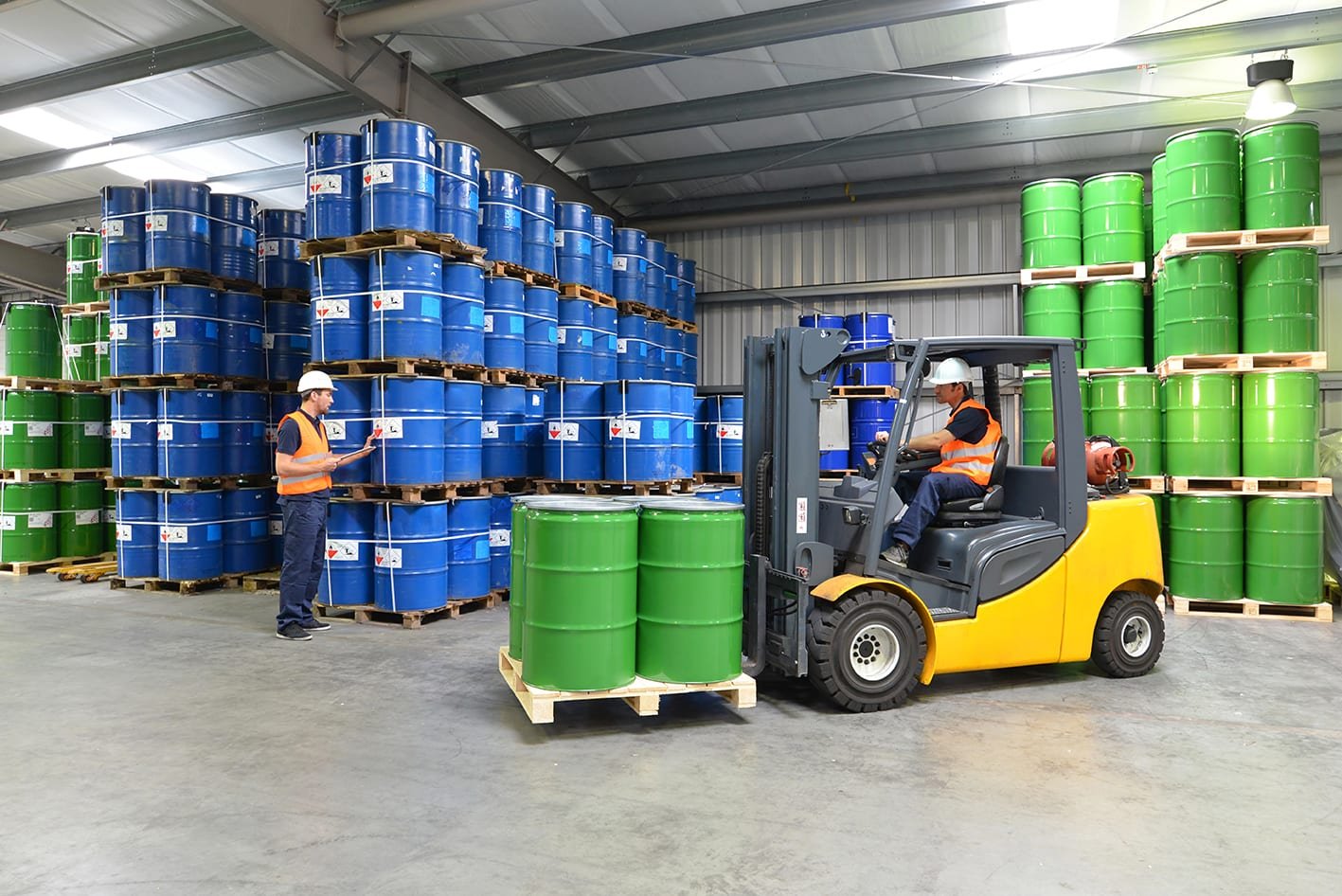
| Packaging | 25 kg, 200 kg drums, IBC |
What Is Polyamine?
Polyamine (dimethylamine-epichlorohydrin, DMA-EPI copolymer) is a cationic organic polymer coagulant. Unlike inorganic coagulants (alum, ferric chloride, PAC) which work by generating metal hydroxide sweep-floc, polyamine functions by charge neutralisation — its high cationic charge density directly neutralises the negative electrostatic charge on suspended particles, colloidal turbidity, and dissolved organic anions, causing rapid aggregation. Because polyamine is a polymer (high MW), it also bridges between particles after charge neutralisation, improving floc size and settleability. Critically, polyamine does not introduce metal ions (Al³⁺, Fe³⁺), does not consume alkalinity, and does not significantly change treated water pH or TDS.
Coagulation Mechanism and Performance
Polyamine’s quaternary ammonium groups carry permanent positive charge independent of pH (unlike inorganic coagulants whose charge depends on hydrolysis and pH). This makes polyamine effective across a broad pH range (4–11). Its cationic charge density is much higher than inorganic coagulants on a weight basis, so effective doses are 1–10 mg/L (liquid polymer) versus 10–50 mg/L for alum as Al₂O₃. The absence of sulfate (unlike alum) or chloride (unlike ferric chloride) introduction means polyamine adds minimal ionic load to the treated water — an advantage in water recycling and zero-liquid-discharge systems where TDS control is important. Polyamine is commonly used as a primary coagulant or as a coagulant aid to enhance the performance of inorganic coagulants at lower dose.
Industrial and Wastewater Applications
Polyamine is particularly effective in treating oily wastewater, food processing effluent, pulp and paper effluent, and mining process water — applications where inorganic coagulants require high doses and generate large volumes of metal hydroxide sludge. In produced water treatment in oilfield operations, polyamine coagulates emulsified oil and colloidal clay to allow oil-water separation. In municipal wastewater, polyamine enhances primary clarifier performance and improves sludge thickening. In potable water, polyamine is used (where regulatory approved) for low-turbidity water coagulation where alum would depress alkalinity. Terracore Chemicals supplies polyamine coagulants (40–50% active) in 25 kg and 200 kg drums.
Applications
- Oily wastewater coagulation and oil-water separation
- Municipal wastewater primary clarification enhancement
- Food and beverage processing effluent treatment
- Pulp and paper process water clarification
- Mining process water coagulation (no metal ion introduction)
- Produced water treatment in oilfield operations
- Drinking water coagulation where low TDS addition is required
Need a Quote for Polyamine?
Tell us your required grade and quantity — we’ll respond with pricing, specifications, and lead times.
Request a Quote