
Polyelectrolyte Flocculants Supplier South Africa
High-molecular-weight polymer flocculants for rapid aggregation and sedimentation of suspended solids in water, wastewater, and mineral processing — polyelectrolytes bridge between particles to form large, dense, rapidly settling floc.
 Solicitar Orçamento Profissional
Especificações rápidas
| Tipo Químico | Anionic, cationic, or non-ionic polyacrylamide (PAM) |
| cobrar | Anionic (−), Cationic (+), or Non-ionic (0) grades |
| Peso molecular | 5–20 million Da (high molecular weight) |
| Conteúdo Ativo | ≥ 90% (powder); 20–50% (emulsion / solution) |
| Aparência | White powder, granules, or inverse emulsion |
| Faixa de Dose | 0.1–5 mg/L (active polymer) |
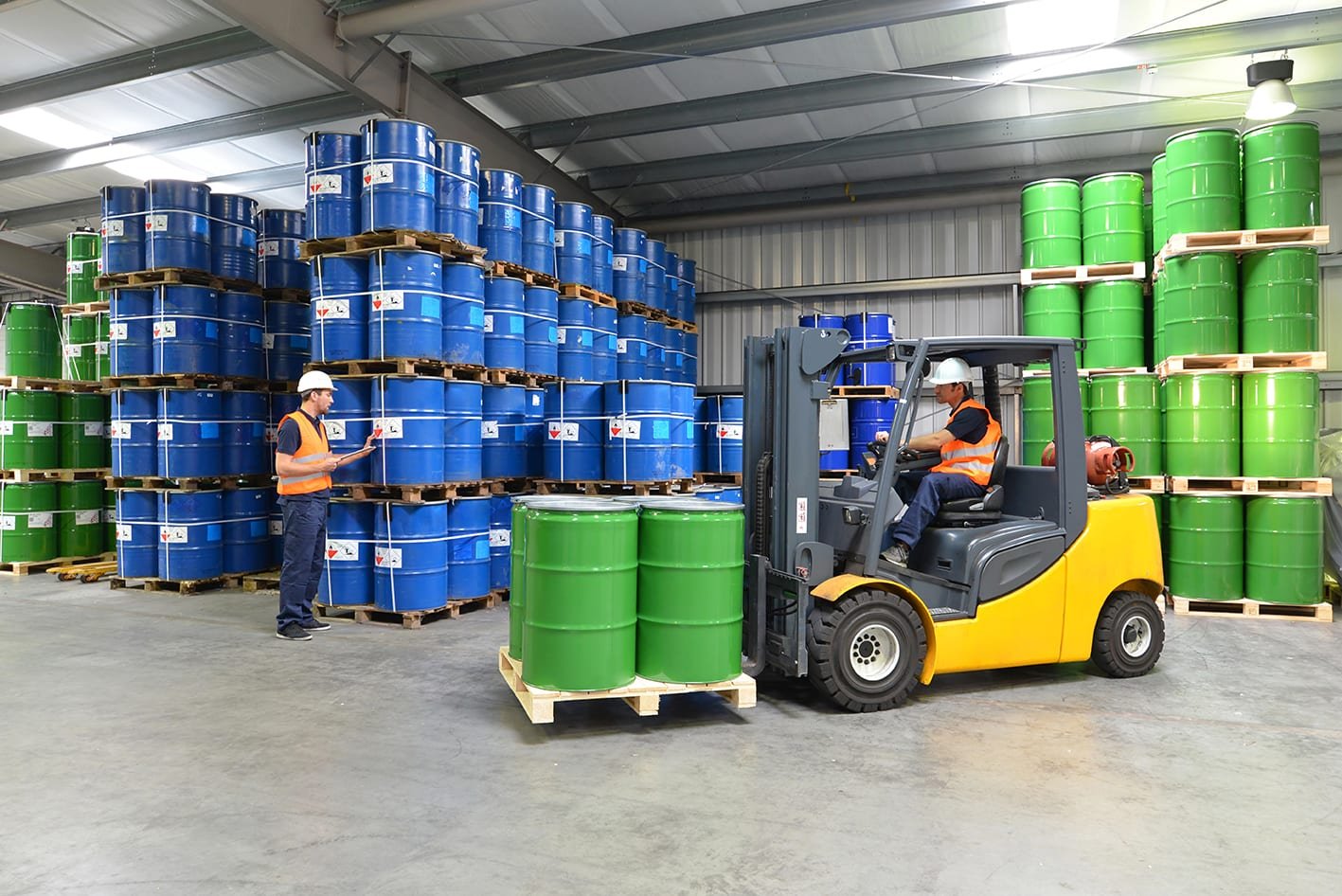
| Embalagens | 25 kg bags (powder); 200 kg drums (emulsion) |
What Are Polyelectrolytes?
Polyelectrolytes (polyacrylamide-based flocculants, PAM) are high-molecular-weight synthetic polymers carrying ionisable charge groups — anionic (negatively charged, from acrylic acid co-monomers), cationic (positively charged, from quaternary ammonium or amine monomers), or non-ionic (neutral, polyacrylamide without charged groups). They function as flocculants through a bridging mechanism: each high-MW polymer chain adsorbs to the surface of multiple particles simultaneously, physically bridging between them to form large, open, rapidly settling floc aggregates. Polyelectrolytes are used as the second stage of a two-stage coagulation-flocculation process — after an inorganic coagulant (alum, ferric, PAC) destabilises colloidal charge, the polyelectrolyte bridges the resulting microfloc into large, rapidly settling macro-floc.
Selection of Anionic, Cationic, and Non-ionic Grades
The choice of polyelectrolyte grade depends on the application: anionic polyacrylamides are used in mineral processing (tailings settlement), municipal water clarification (bridging pre-coagulated floc), and effluent polishing — anionic grades adsorb to positively charged sites on floc surfaces; cationic polyacrylamides are used for sludge dewatering (activated sludge, primary sludge) and in positively charged systems; non-ionic polyacrylamides are used where pH or ionic strength makes charge uncertain, and in mineral processing of certain clay and slime systems. In mining and mineral processing, anionic polyelectrolytes are used extensively in tailings thickeners, paste thickeners, clarifiers, and wash circuits to settle fine mineral particles and recover process water.
Application in Water Treatment and Mining
In municipal and industrial water treatment, polyelectrolytes are added in the slow-mix (flocculation) stage after coagulant addition, at doses of 0.1–2 mg/L active polymer. They dramatically improve floc size, strength, and settling rate, increasing clarifier throughput and reducing turbidity in the overflow. In sludge dewatering, cationic polyelectrolytes (higher charge, lower MW) condition activated sludge or thickened primary sludge before belt filter presses or centrifuges, improving cake dryness and filtrate quality. In mining, anionic polyelectrolytes are the primary flocculant for tailings thickener operations — flocculant dose and selection is optimised for each mineral slurry type. Terracore Chemicals supplies anionic, cationic, and non-ionic polyelectrolyte grades in powder bags and emulsion drums.
Aplicações
- Municipal water clarifier flocculation (post-coagulant floc building)
- Industrial effluent suspended solids removal
- Mineral processing tailings thickener flocculant
- Mining slimes dam and paste thickener flocculation
- Municipal activated sludge dewatering conditioner (cationic PAM)
- Belt press and centrifuge sludge cake dryness improvement
- Mine process water recovery and recycle — thickener overflow clarity
Need a Quote for Polyelectrolytes?
Informe-nos a especificação e a quantidade desejadas — responderemos com preços, especificações e prazos de entrega.
Solicitar Orçamento Profissional